
BMW M 1000 RR
The Ultimate Superbike Evolution
Introduction: Redefining Superbike Excellence
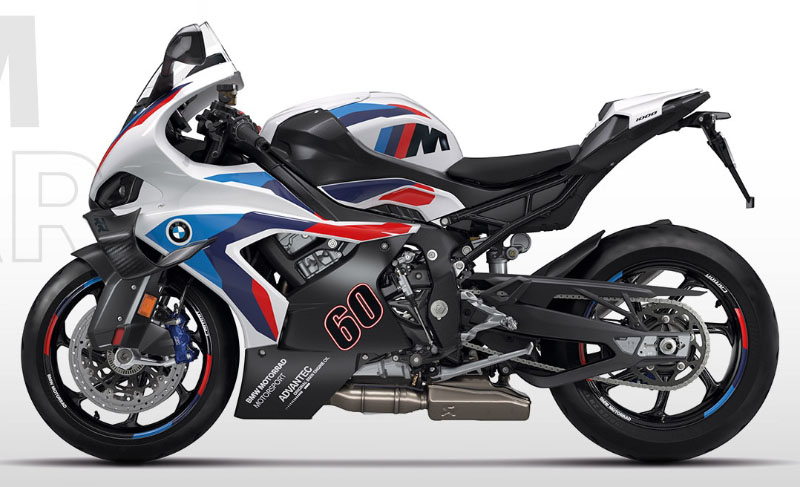
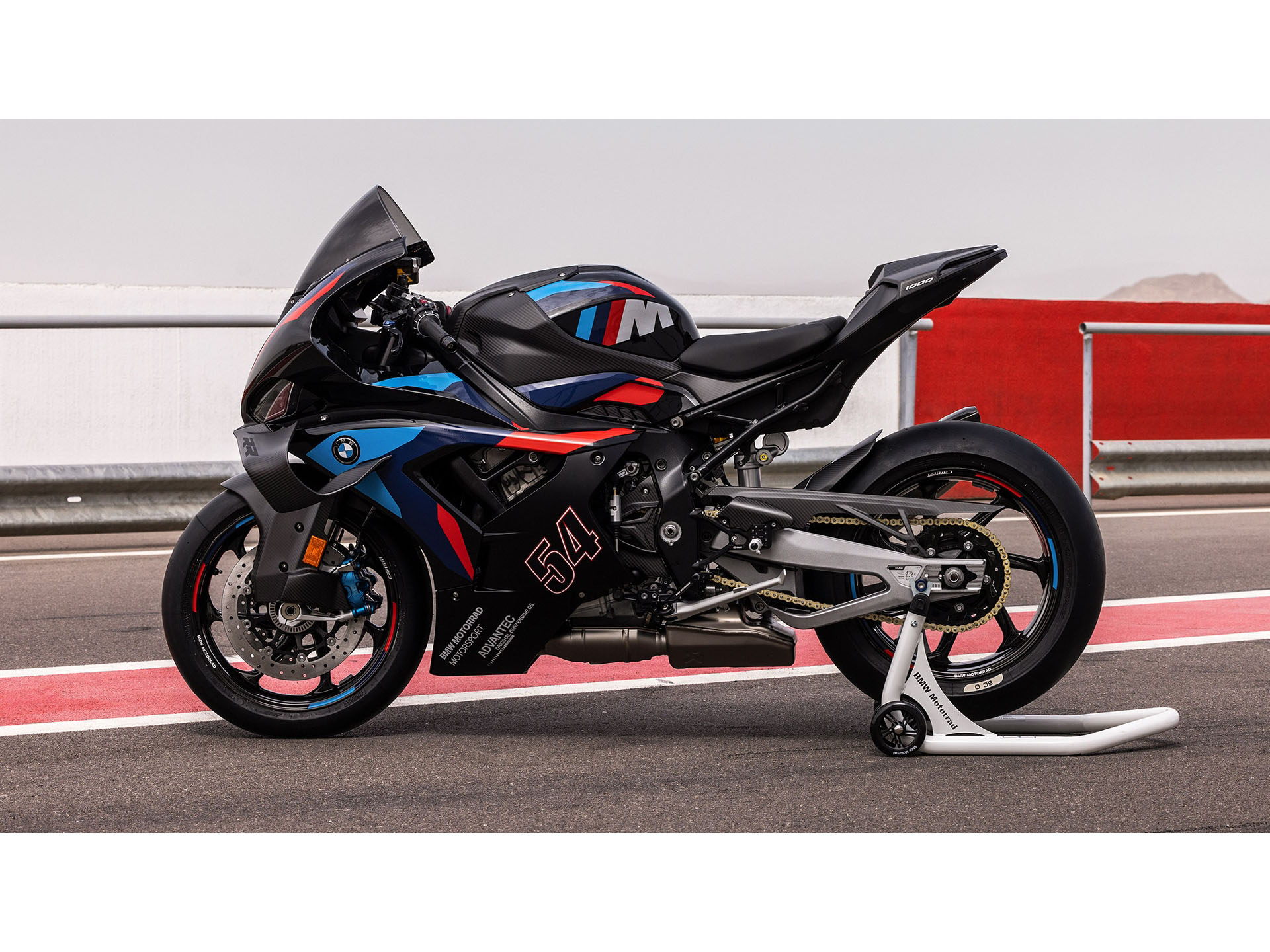
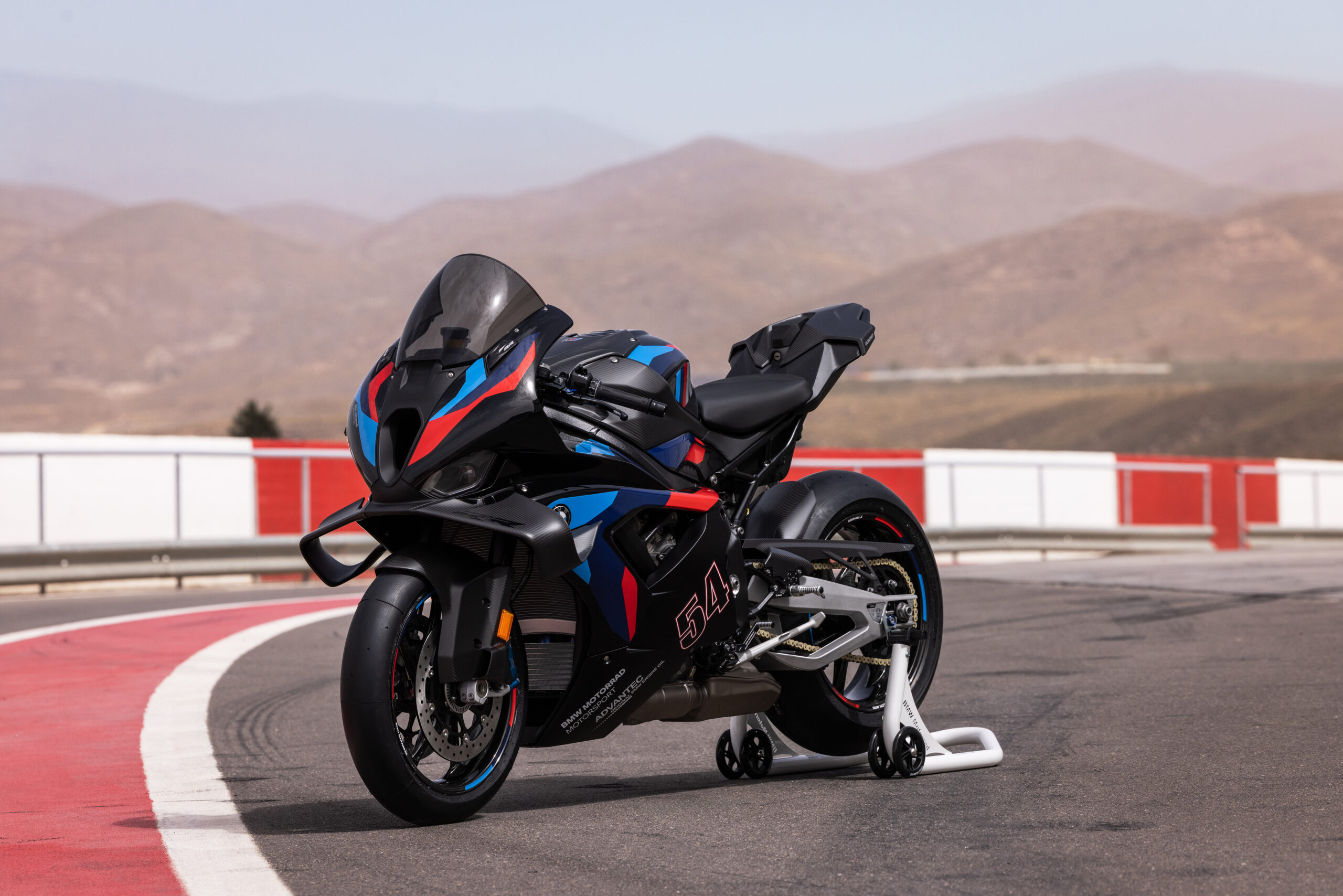
The 2026 BMW M 1000 RR represents the pinnacle of BMW Motorrad's engineering prowess, bringing WorldSBK championship-winning technology directly to the streets. As the first M model motorcycle from BMW, the M 1000 RR has been meticulously refined for 2026 with significant engine updates, enhanced aerodynamics, and cutting-edge electronics that push the boundaries of what's possible in a homologated superbike.
Engine & Performance Specifications
ShiftCam Inline-Four Powerhouse
@ 13,000 RPM
@ 11,100 RPM
Displacement
Redline
Technical Engine Details
Performance Metrics
| Parameter | Specification | Notes |
|---|---|---|
| Maximum Speed | 189 mph (314 km/h) | Electronically limited |
| 0-60 mph | ~3.1 seconds | Estimated with launch control |
| 0-100 mph | ~5.4 seconds | Track conditions |
| Quarter Mile | ~10.2 seconds | Estimated |
| Power-to-Weight | ~1.03 hp/kg | Based on 194kg wet weight |
Fuel Economy & Efficiency
Despite its extreme performance capabilities, the 2026 BMW M 1000 RR manages to deliver reasonable fuel efficiency for its class, thanks to sophisticated engine management and the efficient ShiftCam variable valve timing system. The 16.5-liter fuel tank provides adequate range for both track days and spirited road riding.
Fuel Consumption Breakdown
| Riding Condition | Fuel Consumption | Estimated Range |
|---|---|---|
| Urban/City Riding | ~7.8 L/100km (30 MPG) | ~185 km (115 miles) |
| Highway/Constant Speed | ~5.9 L/100km (40 MPG) | ~245 km (152 miles) |
| Track/Performance Riding | ~12-15 L/100km (16-20 MPG) | ~110-140 km (68-87 miles) |
| Combined Average (WMTC) | 6.5 L/100km (36.2 MPG) | ~254 km (158 miles) |
Chassis, Aerodynamics & Electronics
Aerodynamic Innovations: M Winglets 3.0
The 2026 M 1000 RR features completely redesigned carbon fiber winglets that generate significantly increased downforce without compromising top speed. The aerodynamic package has been refined in BMW's wind tunnel to provide maximum stability at extreme speeds.
| Speed | Downforce (2024 Model) | Downforce (2026 Model) | Improvement |
|---|---|---|---|
| 93 mph (150 km/h) | 12.6 lbs (5.7 kg) | 16.8 lbs (7.6 kg) | +33% |
| 124 mph (200 km/h) | 22.0 lbs (10.0 kg) | 29.3 lbs (13.3 kg) | +33% |
| 155 mph (250 km/h) | 34.4 lbs (15.6 kg) | 45.9 lbs (20.8 kg) | +33% |
| 186 mph (300 km/h) | 49.8 lbs (22.6 kg) | 66.1 lbs (30.0 kg) | +33% |
Advanced Electronics Suite
- Slide Control: New steering angle sensor enables controlled power slides with adjustable drift angles
- Brake Slide Assist: Maintains stability during aggressive braking maneuvers
- 7 Riding Modes: Rain, Road, Dynamic, Race, and 3x Race Pro modes
- Dynamic Traction Control (DTC): 6-axis IMU with lean angle integration
- ABS Pro: Cornering ABS with "Slick" tire mode
- M Quick-Action Throttle: Reduced 58° rotation angle (from 72°) for faster response
- Launch Control: Optimized for perfect race starts
- Pit Lane Limiter: Speed control for pit lane regulations
- 6.5" TFT Display: Full connectivity with BMW Motorrad Connected app
- M GPS Laptrigger: Integrated lap timing system
Chassis Specifications
Model Comparison: M 1000 RR vs S 1000 RR
While both bikes share BMW's iconic asymmetrical headlights and inline-four architecture, the M 1000 RR is a fundamentally different machine designed for riders who demand race-track performance above all else.
| Specification | BMW M 1000 RR (2026) | BMW S 1000 RR (2026) | Difference |
|---|---|---|---|
| Engine Power | 205 hp @ 13,000 rpm | 204 hp @ 13,750 rpm | +1 hp (M) |
| Max Torque | 83 lb-ft @ 11,100 rpm | 83 lb-ft @ 11,000 rpm | Similar |
| Max Speed | 189 mph (314 km/h) | 186 mph (299 km/h) | +3 mph (M) |
| Wet Weight | 194 kg (427 lbs) | 201 kg (443 lbs) | -7 kg (M) |
| Wheels | M Carbon Fiber (Standard) | Cast Aluminum (Forged optional) | Carbon advantage |
| Aerodynamics | Carbon M Winglets 3.0 | Standard Fairing | Downforce advantage |
| Brake Cooling | M Brake Ducts (Standard) | Standard Cooling | Superior cooling |
| Throttle | M Quick-Action (58°) | Standard (72°) | Faster response |
| Suspension | Fully Adjustable (Track-spec) | Semi-active DDC Optional | More adjustability |
| Slide Control | Standard with steering sensor | Not Available | M exclusive |
| Starting Price (USA) | ~$42,895 USD | ~$17,895 USD (Base) | +$25,000 |
Pricing & Availability
Color Options
M Competition Package (Optional)
- Black Storm Metallic paint with WSBK graphics
- M Endurance Chain (maintenance-free)
- Passenger Kit with rear seat
- Clear anodized aluminum swingarm
- M Carbon Front Fender
- M Carbon Package (Airbox cover, tank cover, chain guard, etc.)
- M Billet Package (Folding levers, brake lever guard, footrests)
Conclusion: The Ultimate Expression of M Performance
The 2026 BMW M 1000 RR represents the absolute pinnacle of BMW Motorrad's superbike development. With its comprehensively revised engine producing 205 horsepower, revolutionary aerodynamics generating up to 66 lbs of downforce, and cutting-edge electronics including the new Slide Control system, this machine is essentially a WorldSBK racer with license plates.
For riders who demand uncompromising performance and have the skills to exploit its capabilities, the M 1000 RR offers an experience that few production motorcycles can match. The combination of carbon fiber wheels, M Brake Ducts, quick-action throttle, and race-derived chassis components creates a motorcycle that is as rewarding on the track as it is exclusive on the street.
While the $42,895 price tag places it firmly in the upper echelon of production superbikes, the technology, performance, and exclusivity justify the investment for serious enthusiasts. The 2026 updates ensure that BMW maintains its competitive edge in the homologated superbike segment, continuing the legacy that has brought multiple WorldSBK championships to the Bavarian manufacturer.


0 Comments