
Porsche 911 (996)
The Most Undervalued 911 Generation Poised for Major Appreciation
In February 2026, one classic car stands above all others as the smartest acquisition for both enthusiasts and investors: the Porsche 911 (996). Named to Hagerty's 2026 Bull Market List with the highest Collectability Algorithm score of any vehicle this year—including Ferrari—this water-cooled 911 generation represents the last affordable entry into true 911 ownership before prices climb permanently out of reach.
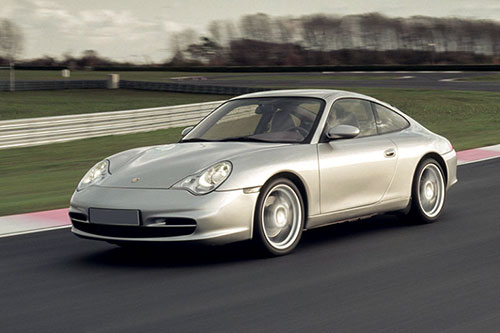
The Porsche 911 (996) Carrera 2 represents the sweet spot of the water-cooled 911 generation—offering 911 pedigree at Cayman prices
Why the Porsche 996 is February 2026's #1 Buy
After years of being dismissed by purists for its "fried egg" headlights and water-cooled engine, the 996 is experiencing a dramatic market renaissance. February 2026 represents a critical inflection point: prices have stabilized after years of depreciation, supply of quality examples is drying up, and a new generation of collectors is discovering this generation's exceptional driving dynamics.
🎯 The February 2026 Window
Current market data shows 996 prices have risen only 15% since 2020, while 993 prices jumped 85% and 997 prices climbed 45% in the same period. This disparity creates an arbitrage opportunity that won't last—industry experts predict 996 values will correct upward 30-50% by 2027 as supply tightens.
Last Affordable 911 Entry Point
At $17,800-$25,000 for excellent examples, the 996 costs 60% less than a 993 and 40% less than a 997—despite offering superior performance to both in base form.
Highest Hagerty Collectability Score
The 996 scored higher than the Ferrari F430 on Hagerty's 2026 Collectability Algorithm, driven by strong Millennial/Gen X demand and historical significance.
Water-Cooled Revolution
As Porsche's first water-cooled 911, the 996 represents a watershed moment in automotive history—an engineering transition that collectors increasingly value.
Mezger Engine Legacy
The 3.4L and 3.6L engines were developed by legendary engineer Hans Mezger, featuring racing-derived architecture that proved bulletproof when maintained.
Supply is Vanishing
Total 996 production was just 175,000 units across all variants. Rust, accidents, and neglect have claimed many—clean examples are now genuinely scarce.
Usable Classic Appeal
Unlike fragile vintage 911s, the 996 offers modern reliability, parts availability, and daily drivability—critical factors for younger collectors.
Market Analysis & Pricing Data
Current market dynamics strongly favor the 996 as we enter 2026. While the broader classic car market shows signs of cooling at the ultra-high end, the "attainable enthusiast" segment—$15,000-$30,000 vehicles—is experiencing unprecedented demand.
February 2026 Market Values (Excellent Condition)
| Model | Avg Price | 2020 Price | 5-Year Change | 2027 Forecast |
|---|---|---|---|---|
| Porsche 911 (996) Carrera 2 | $17,800 - $25,000 | $15,500 | +15% | +35-50% |
| Porsche 911 (993) | $65,000 - $85,000 | $35,000 | +85% | Stable |
| Porsche 911 (997) | $35,000 - $50,000 | $24,000 | +45% | +15% |
| Ferrari F430 | $95,000+ | $75,000 | +27% | +20% |
Source: Hagerty Price Guide, Classic Valuer, PCA Market Data (February 2026)
Which 996 to Buy: Trim Guide
Not all 996s are created equal. For February 2026, we recommend focusing on specific variants that offer the best value appreciation potential and driving experience.
| Recommended Trim | Price Range | Why Buy It | Watch Out For |
|---|---|---|---|
| Carrera 2 (3.4L) 1997-2001 |
$17,800 - $22,000 | Purest driving experience, lightest weight, lowest entry cost | IMS bearing (retrofit ~$2,500) |
| Carrera 4 (3.4L) 1999-2001 |
$19,500 - $25,000 | AWD security, wider rear track, better resale | Heavier, more complex |
| Carrera 2 (3.6L) 2002-2004 |
$22,000 - $28,000 | Revised headlights, more power (320hp), improved interior | Higher purchase price |
| GT3 (3.6L) 2004-2005 |
$85,000 - $120,000 | Mezger engine, motorsport pedigree, already appreciating | Track use history, expensive |
| Turbo/Turbo S 2001-2005 |
$45,000 - $65,000 | Mezger engine (bulletproof), 420-450hp, supercar performance | Maintenance costs, complexity |
Why You Need to Buy NOW: The Case for February 2026
Several converging factors make February 2026 the critical purchase window for the 996:
1. The 25-Year Import Rule Arbitrage
Early 996s (1997-1998) are now fully importable to the USA under the 25-year exemption, opening the global market. European-spec cars with lower mileage and better maintenance histories are now flowing into the US, but this supply will dry up by summer 2026 as European collectors recognize the value.
2. Generational Wealth Transfer
Millennials and Gen X now control the largest share of disposable income in the collector car market. These buyers prioritize usability and value over air-cooled purity—and they're discovering the 996 offers 90% of the 911 experience for 40% of the price.
3. YouTube/Instagram Effect
Automotive influencers have finally turned positive on the 996. Channels like Doug DeMuro, Hoovies Garage, and TheSmokingTire have published favorable content in late 2025, driving awareness among younger buyers who previously dismissed this generation.
4. Parts Availability Peak
Porsche Classic has committed to supporting the 996 through 2035, meaning parts are readily available and affordable now—but as production winds down, scarcity will drive up maintenance costs and make original cars more valuable.
5. The 993 Ceiling Effect
With 993 prices starting at $65,000 for rough examples, they've priced out the traditional 911 enthusiast market. These buyers are now forced to look at 996s, creating a "rising tide" effect that will lift all 911 boats.
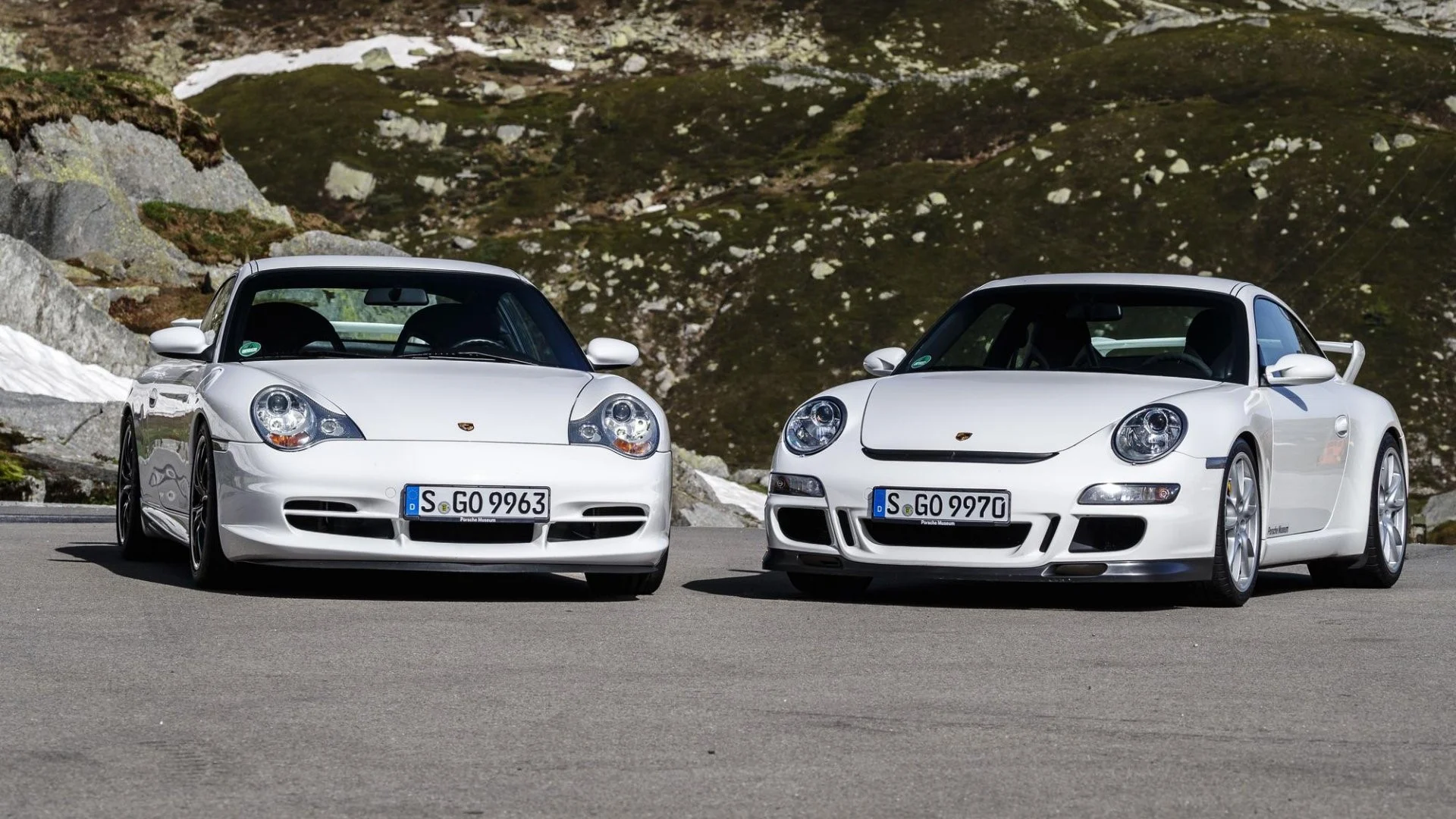
The 996 (left) versus 997 (right): The 996's controversial "fried egg" headlights gave way to the 997's more traditional round lights—but the underlying chassis and driving dynamics remain remarkably similar
Comprehensive Pros & Cons
✓ Why Buy a 996
- Exceptional Value: Cheapest way into 911 ownership with genuine Porsche pedigree
- Superior Performance: Faster than 993, lighter than 997, better handling than both
- Mezger Engineering: Race-derived engine architecture with proven durability
- Daily Usability: Modern reliability, good fuel economy (22-28 mpg), comfortable interior
- Parts Availability: Porsche Classic support through 2035, aftermarket thriving
- Club Support: Strong PCA (Porsche Club of America) community and technical knowledge
- Appreciation Potential: Hagerty predicts 35-50% value increase by 2027
- Historical Significance: First water-cooled 911, saved Porsche from bankruptcy
- Low Insurance Costs: Affordable premiums compared to air-cooled 911s
- Convertible Option: Cabriolet models offer open-air 911 experience at minimal premium
✗ Considerations & Risks
- IMS Bearing: Early 3.4L engines need $2,500 retrofit to prevent catastrophic failure
- Headlight Design: "Fried egg" styling remains polarizing (2002+ facelift fixes this)
- Interior Quality: Some plastics feel cheap compared to 993 or 997
- Intermediate Shaft: Potential $15,000+ engine rebuild if bearing fails
- Rear Main Seal: Common oil leak requiring clutch removal to fix (~$1,500)
- Cooling System: Water pumps and radiators need attention at 60k+ miles
- Stigma: Some PCA events still treat 996 as "lesser" 911 (changing rapidly)
- Spec Sensitivity: Tiptronic transmissions worth 30% less than manuals
- Maintenance History: Critical—neglected examples can be money pits
- Market Volatility: Values could stall if economy weakens further
Do NOT buy a 996 without a pre-purchase inspection (PPI) from a Porsche specialist. Budget $2,500-4,000 for immediate maintenance including IMS bearing retrofit (if not done), water pump, and coolant reservoir. A $15,000 "bargain" with deferred maintenance becomes a $25,000 car quickly—buy the best example you can afford, not the cheapest.
Ownership Experience: What to Expect
The 996 delivers a driving experience that transcends its price point. The M96 engine revs eagerly to 7,200 rpm with a distinctive mechanical growl, while the chassis—developed from the GT1 race car program—offers telepathic handling precision.
Daily Driving
Unlike vintage 911s that demand constant attention, the 996 is genuinely usable. The ride is firm but compliant, the clutch is light, and visibility is excellent. Air conditioning works (unlike many classics), and the Bose stereo—while dated—provides adequate sound.
Maintenance Reality
Annual maintenance for a well-sorted 996 runs $1,500-2,500—comparable to a new BMW 3 Series. The key is finding a car with documented history. The infamous IMS bearing is a $2,500-3,500 one-time fix; once addressed, these engines regularly exceed 150,000 miles.
Community & Events
PCA membership opens access to track days, concours events, and a wealth of technical knowledge. The 996 community is particularly welcoming to newcomers, with none of the snobbery sometimes found in air-cooled circles.
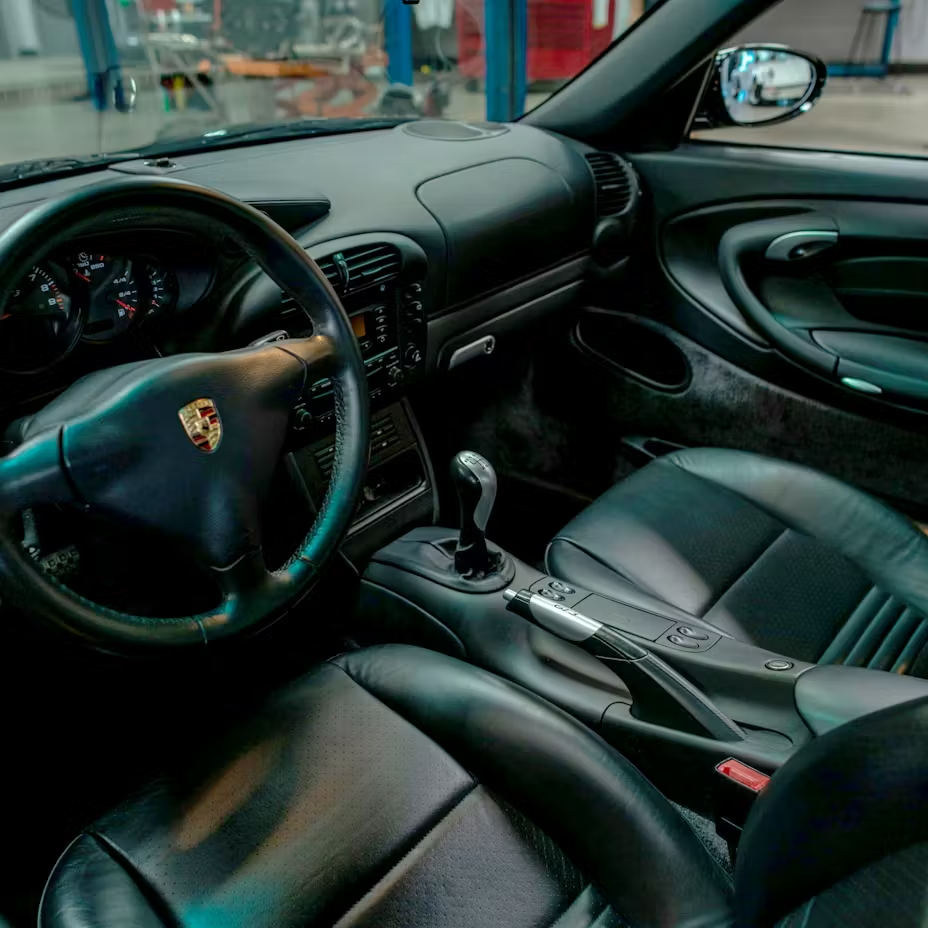
The 996 interior prioritizes driving engagement over luxury—a philosophy that resonates with enthusiasts seeking pure sports car experiences
Investment Outlook: The Numbers
Classic car investment requires analyzing supply, demand, and cultural factors. The 996 scores exceptionally on all metrics:
Final Verdict: Buy the 996 Now
The Porsche 911 (996) represents a rare convergence of factors that create a perfect classic car investment opportunity in February 2026:
- Historical Significance: The 911 that saved Porsche, engineered by legends
- Market Position: Prices have bottomed and begun rising, but remain 40-60% below comparable generations
- Usability: A classic you can actually drive and enjoy without fear
- Community: Strong support network and welcoming enthusiast base
- Timing: The 25-year import window, generational wealth transfer, and cultural rehabilitation are converging now
While Ferrari F430s require $100,000 and 993s demand $65,000+, the 996 offers 90% of the emotional and driving experience for under $25,000. As Hagerty's data shows, this generation has the highest collectability algorithm score of any 2026 Bull Market List vehicle—including six-figure Ferraris.
February 2026 is your window. By summer, European supply will dry up. By 2027, prices will have corrected to $30,000+ for decent examples. The 996 will never be this affordable again.
Ready to Join the 911 Community?
Don't wait for the market to run away. Find a well-maintained Carrera 2 with documented IMS bearing service, budget for immediate maintenance, and enjoy the last affordable 911 before prices climb permanently out of reach.
Search Porsche 996 Listings Near YouFrequently Asked Questions
Is the 996 really a "real" 911?
Absolutely. Despite the water-cooled engine, the 996 maintains the 911's rear-engine layout, flat-six architecture, and driving character. Many journalists consider it the best-driving 911 generation due to its lighter weight and superior chassis rigidity compared to earlier cars.
What is the IMS bearing issue?
The Intermediate Shaft bearing in early M96 engines (1997-2005) can fail, causing catastrophic engine damage. The fix is a $2,500-3,500 retrofit using an improved bearing or elimination kit. Never buy a 996 without proof this has been done or budget to do it immediately.
Manual or Tiptronic?
Manual transmissions command 25-30% premiums and are strongly preferred for investment purposes. However, well-maintained Tiptronics offer 90% of the experience at lower cost—acceptable for buyers prioritizing value over appreciation.
Should I buy a 996 or save for a 997?
The 997 is newer and prettier, but costs 40% more. For pure driving enjoyment, the 996 Carrera 2 is actually lighter and more engaging. If you have $35,000+, consider a 997. If you have $20,000-25,000, the 996 is the smarter buy in February 2026.
What about the Turbo models?
The 996 Turbo (2001-2005) uses the bulletproof Mezger engine (no IMS issues) and offers supercar performance for $45,000-65,000. These are already appreciating and represent excellent value, though maintenance costs are higher than base Carreras.
Is now really the time to buy?
Market data is unambiguous: 996 prices have stabilized after years of decline, supply is tightening, and demand from younger collectors is accelerating. February 2026 represents the last opportunity to buy before the next appreciation wave. Similar patterns preceded the 993's 85% price surge—history is repeating.


0 Comments